
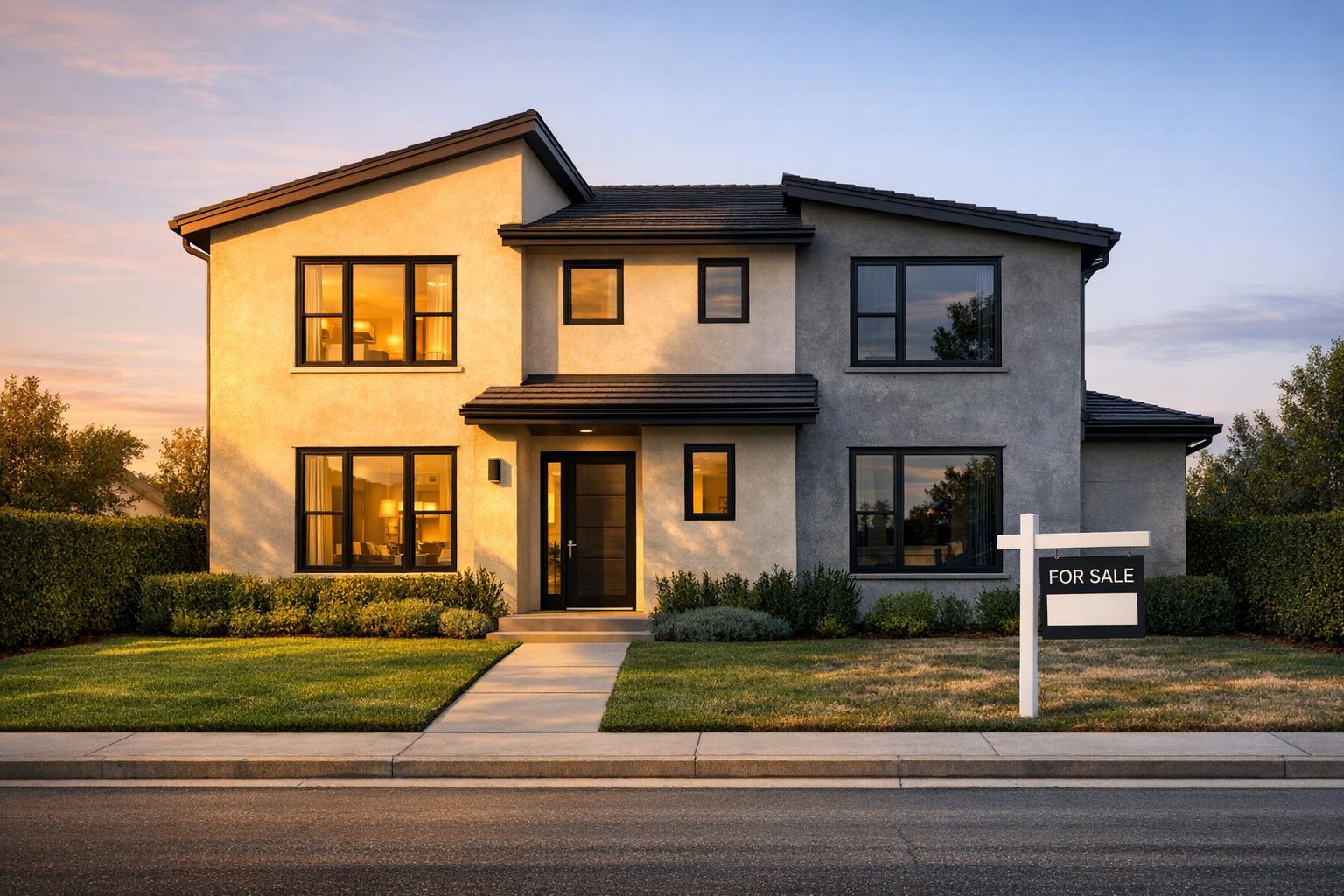
Artificial intelligence has unlocked genuinely extraordinary possibilities for real estate marketing. The ability to help buyers emotionally connect with a space — to see its potential - before a single piece of furniture is moved is, without hyperbole, a revolution in how properties are sold. But like any powerful tool, it comes with a responsibility to use it honestly. And not everyone is.
A recent controversy made the rounds online after a real estate listing used an AI-generated image as its primary property photo - depicting modern landscaping, structural upgrades, and exterior improvements that simply didn't exist. Side-by-side comparisons surfaced on Reddit, and the backlash was swift. Buyers felt deceived. The original poster called it "an egregious use of AI to 'imagine' the potential of this investor opportunity."
They weren't wrong.
The Line Between Inspiration and Deception
When AI is used to fabricate a version of a property that doesn't exist - changing the structure, the exterior, the architecture - it stops being marketing and starts being misleading. It's a digital cousin of "housefishing": dressing up a listing so aggressively that buyers arrive at the door expecting one thing and find something else entirely. That erodes trust, wastes everyone's time, and frankly, gives an incredible technology a bad name.
This is exactly the kind of misuse that our tool was built to make impossible.
sbb-itb-4214aae
What Ethical AI Staging Actually Looks Like
Our AI virtual staging app works on one simple, principled premise: we don’t touch the shell.
The walls, the windows, the floors, the architecture - everything that makes a property what it actually is - remains exactly as photographed. What we do is bring the interior to life with beautiful, photorealistic décor and furnishings, transforming an empty or tired-looking room into a space buyers can genuinely picture themselves living in.
The bones of the home are always preserved. The integrity of the listing is always intact. What changes is the feeling - and that's precisely what great staging has always done, long before AI entered the picture.
Incredible Technology, Used With Integrity
Virtual staging has been part of the real estate industry for years. AI simply makes it faster, more accessible, and more strikingly realistic than ever before. That's worth celebrating. An agent working with a vacant property, a developer marketing off-plan apartments, a homeowner preparing a listing on a budget - all of them can now present their spaces in the best possible light without a single truck of rented furniture.
When used responsibly, AI staging doesn't mislead buyers - it helps them. It bridges the gap between an empty room and an emotional connection. It lets people see past hollow white walls to the home that's actually there, waiting for them.
That's the technology we've built. That's the standard we hold ourselves to.
The Difference Is in What We Don't Change
The controversy around manipulated listing imagery is a useful reminder that transparency isn't just an ethical obligation - it's good business. Buyers who feel deceived don't become clients. Trust, once broken, is hard to rebuild.
Our virtual staging tool exists to do the opposite: to show a property as its most compelling, most liveable, most real self - with nothing invented, nothing fabricated, nothing that won't be there when the buyer walks through the door. Just thoughtfully styled spaces that honour the architecture they inhabit.
AI in real estate isn't the problem. How it's used is. And we think the industry deserves a tool it can be proud of.